
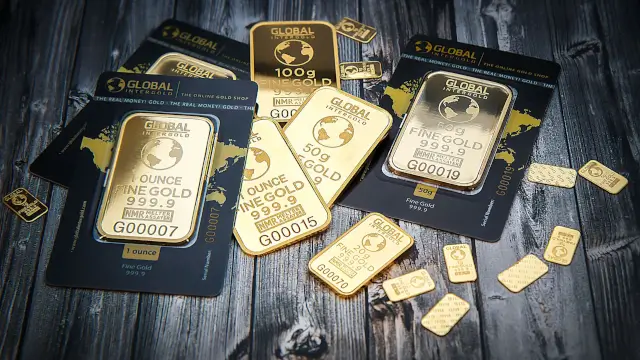
Gold markets suffered significant selling pressure on June 12, 2026, with spot gold falling 0.5% to $4,191.17 per ounce. This marked the second consecutive weekly decline, with gold already down 3.2% this week. Analysts attributed the drop to shifting geopolitical sentiment and monetary policy concerns. US inflation hit 4.2%, prompting investors to reduce exposure to safe-haven assets. CNBC reported that the largest drivers for gold are currently geopolitical headlines and Federal Reserve policy. Wall Street is also shifting toward crypto, diminishing the appeal of traditional safe havens like gold.
Gold at $4,191: Why Is This Decline Happening?
Gold had touched a six-month low on Thursday before recovering to close at $4,219.69. However, Friday morning brought renewed selling pressure. US President Donald Trump canceled planned military strikes against Iran, signaling an imminent peace deal and causing safe-haven demand to evaporate. Iran had previously threatened to close the Strait of Hormuz, but diplomatic talks are now reducing tensions.
Marex analyst Edward Meir noted, “Price is being driven entirely by geopolitical headlines.” When geopolitical tension eases, the appeal of safe-haven assets like gold automatically diminishes. Gold had reached an all-time high of $5,608 per ounce in January 2026 but has fallen approximately 20% since the Iran conflict began. Enhanced Crypto assets are also experiencing extreme volatility, impacting overall risk sentiment.
Additionally, extreme fear dominates the crypto market, leading investors to avoid riskier assets entirely. Stablecoins are emerging as digital dollars, challenging gold's traditional role as a store of value.
Fed Rate Hike Fears: Another Major Challenge
Beyond geopolitical tensions, the Federal Reserve poses a significant headwind. New jobs data has led investors to consider the possibility of a rate hike later this year. Trading at $4,212.70, gold typically underperforms when interest rates rise because it offers no yield. The AI stock selloff has also shaken Wall Street, prompting defensive positioning.
Gold crossed a record $5,100 in January, but year-to-date gains have now been completely erased. Rising Treasury yields and a stronger US dollar have created dual pressure on gold. While central banks purchased approximately 19 tonnes of gold in April, Western outflows have pushed prices lower.
Gold Outlook 2026: What Happens Next?
Market experts hold mixed opinions on gold's trajectory. Thomas Winmill of Midas Funds predicted gold could reach $5,000 per ounce by the end of 2026 — approximately a 20% upside from current levels. His reasoning includes persistent inflation and growing global debt burdens. Sprott's latest report also indicates that the world's growing debt cycle will continue supporting gold's long-term bull market.
However, short-term volatility is expected to persist. The Crypto Fear and Greed Index has dropped to 17, indicating extreme fear and continued commodity market fluctuations. Metals Focus noted that 2026 average gold prices could remain 43% higher year-on-year, although demand may soften moderately.