
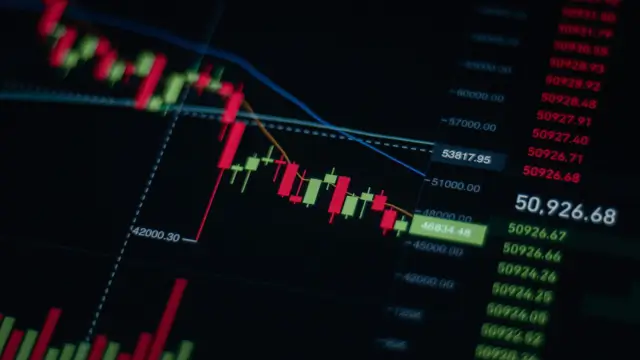
The Bureau of Labor Statistics reported Wednesday that the Consumer Price Index rose 4.2% year-over-year in May, marking the third consecutive month of accelerating inflation. Energy prices, supercharged by the escalating Iran conflict, drove the surge. The Dow Jones Industrial Average tumbled 953 points, or 1.9%, its steepest single-day decline since October 2025, while the Nasdaq Composite slid 2%.
Inflation Hits 4.2%, Highest Since April 2023
The 4.2% CPI reading surpassed the Dow Jones consensus estimate of 4.1% and represents the largest annual gain in over three years. Core inflation, which excludes volatile food and energy, rose 3.8%. Energy costs jumped 12.4% year-over-year, mirroring crypto's drop during the last inflation spike as the Iran conflict disrupted global oil supplies, Iran declared the Strait of Hormuz closed earlier this week, while gasoline prices surged 21.3%. Electricity costs climbed 8.7%, and natural gas advanced 15.2%. The data underscores how geopolitical shocks transmit rapidly into domestic price pressures.
Markets Reel as Fed Rate-Cut Hopes Fade
Equities sold off sharply after the report. The Dow closed at 49,918, down 953 points, echoing last month's 950-point plunge on inflation fears. The S&P 500 dropped 1.6%. The Nasdaq fell 2% as mega-cap tech shares led declines. Treasury yields spiked, with the 2-year yield briefly surpassing the 10-year, deepening the inversion. Interest-rate futures now price in at least one rate hike by year-end, a dramatic reversal from earlier expectations of rate cuts. A Reuters poll of economists shows a strong majority now expect the Fed to hold rates steady through 2026, with hike risks skewed to the upside.
Geopolitical Risk Keeps Inflation Elevated
The Iran conflict remains the primary catalyst. Crude oil prices have climbed above 5 per barrel since hostilities intensified, driven by supply fears from the Strait of Hormuz closure., feeding directly into gasoline, heating, and industrial input costs. The International Energy Agency warned this week that sustained supply disruption could add 0.5-0.7 percentage points to global inflation through 2027. Food prices, already elevated, face additional pressure from energy-intensive fertilizer and transport costs. Households are drawing down savings at the fastest pace since 2022 to maintain spending, according to the Federal Reserve Bank of New York.
What Comes Next
All eyes turn to the Fed's June 17-18 policy meeting. Chair Jerome Powell has signaled patience but acknowledged upside inflation risks. The next CPI report in July will be critical — if energy prices stabilize, year-over-year comparisons could ease. However, persistent services inflation, particularly in shelter and healthcare, as Shiller P/E signals valuation extremes, suggests the path back to 2% remains protracted. Markets now assign less than 20% probability to a rate cut before 2027.