
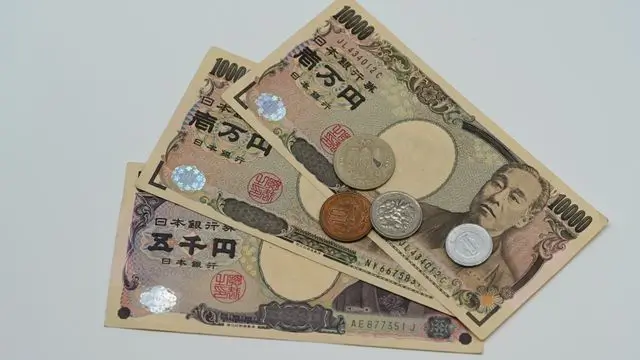
The yen hits 40-year low milestone was breached overnight as USD/JPY touched 161.95, its weakest level since December 1986. The historic slide comes amid widening policy divergence between the Bank of Japan ultra-loose stance and the Federal Reserve higher-for-longer rate outlook, with the dollar surging to a 13-month high on renewed Fed hike bets.
What Happened
The yen weakened to 161.95 per dollar in early Asian trading on Monday, clearing the psychologically critical 160 level that has historically triggered official intervention. Reuters reported the currency traded precariously near the weakest level in nearly four decades, putting investors on guard for potential action by Japanese monetary authorities. Finance Minister Katsunobu Katayama reiterated that authorities stand ready to act decisively against excessive volatility.
The slide accelerated after the Bank of Japan recent rate hike failed to stem the dollar-driven rout. Bloomberg noted that traders see the 40-year yen low as the next intervention battleground, with the 161.95 level representing the weakest since December 1986. CNBC highlighted that the yen saw a sharp depreciation to a high of 161.80, reviving intervention bets that have been dormant since 2024.
Despite the currency weakness, Japan Nikkei 225 rose 1.64% as a weaker yen benefits export-heavy Japanese equities. The Economic Times reported Asian stocks climbed on a tech rally even as the yen hit its historic low, underscoring the complex cross-currents in regional markets.
Why It Matters
The yen plunge to a 40-year low has far-reaching implications for global markets. A weaker yen amplifies imported inflation for Japan, an economy heavily reliant on energy and food imports, potentially forcing the BOJ into a policy corner. For global investors, the currency moves signal a deepening policy divergence: the Federal Reserve may hike rates again this year while the Bank of Japan maintains near-zero rates, widening the yield gap that fuels carry trades.
The intervention threshold is now squarely in focus. Japan last direct intervention in 2024 saw authorities spend an estimated 9.8 trillion yen to support the yen. Markets are watching whether the 160 level -- breached for the third session -- triggers a coordinated response. The Wall Street Journal warned that intervention may not turn the tide if fundamental rate differentials persist.
For emerging markets, a surging dollar and sliding yen tighten financial conditions globally. The dollar index hit a 13-month high, pressuring currencies from the Indian rupee to the Korean won. This dynamic echoes the 2022-2023 period when aggressive Fed tightening triggered capital outflows from vulnerable economies. Brent crude at 72.51 and Treasury yields reflect similar dollar-strength pressures.
What's Next
All eyes are on the Bank of Japan next policy meeting, where officials face a dilemma: raise rates to defend the currency or hold steady to support a fragile economic recovery. Markets currently price in a 60% chance of another BOJ hike by year-end, according to Bloomberg data. Reuters noted that Japanese monetary authorities are mulling a Plan B to stabilize the yen if verbal warnings prove insufficient.
Finance Minister Katayama reiteration that authorities stand ready to act decisively suggests intervention risk is elevated. However, analysts at Nomura Asset Management caution that unilateral intervention without Fed cooperation has limited staying power. The next key milestone is a sustained break above 162, which would mark the weakest yen since 1986 and likely force Tokyo hand. The MSTR bitcoin buyback, XRP price outlook, and Supreme Court Fed ruling all reflect markets navigating policy uncertainty.