
For years, the holy grail of artificial intelligence has been the transition from chatbots to agents—systems that don't just answer questions, but autonomously execute complex, multi-step tasks across the internet. While companies like Anthropic and DeepSeek have made strides in agentic coding, OpenAI has been relatively quiet about a consumer-facing agent interface.
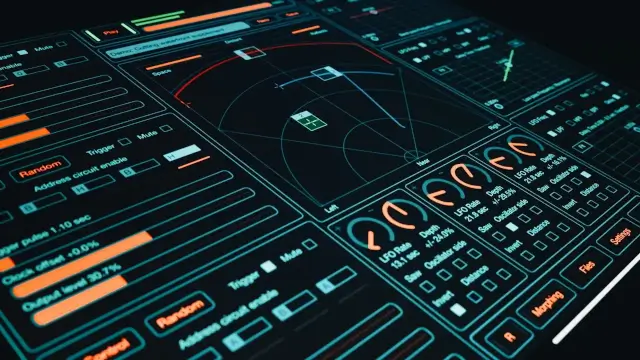
That silence just broke in a massive way. Over the weekend, a verified internal leak on Reddit and X (formerly Twitter) revealed screenshots of an unreleased OpenAI dashboard codenamed "Salute". This isn't just an update to ChatGPT; it is a full-blown internal Task Manager UI that shows the true agentic future we've been waiting for.
Anatomy of the "Salute" Dashboard
The leaked screenshots, authenticated by several former OpenAI employees before being scrubbed by DMCA takedowns, show a stark departure from the familiar chat interface. Instead of a single text box, "Salute" looks more like an enterprise CI/CD pipeline or a Kanban board specifically built for autonomous agents.
Here is what the leaked UI reveals about OpenAI's upcoming agentic ecosystem:
- Task Delegation & Queues: Users can assign high-level goals (e.g., "Research top 10 competitors, compile a spreadsheet, and draft a strategy memo"). Salute breaks this down into sub-tasks and assigns them to specialized agent "workers" operating in parallel.
- Live Browser Rendering: Unlike the current Advanced Data Analysis tool which runs python in a headless sandbox, Salute features a picture-in-picture view showing the agent actively driving a headless browser—clicking links, bypassing captchas, and scraping data in real-time.
- The "Human-in-the-Loop" Pause: The UI features prominent yellow "Awaiting Approval" badges. If an agent encounters a paywall, a critical irreversible action (like spending money), or ambiguous instructions, it pauses the workflow and pings the user via the mobile app for confirmation.
The Underlying Tech: Why "Salute" Matters
The leak confirms that OpenAI's upcoming agentic push is not just about a smarter model; it's an infrastructure play. To make Salute work, OpenAI appears to be combining the deep reasoning capabilities of the O1/GPT-5.x "Thinking Engine" with a robust orchestration layer.
"Salute is the operating system for the agentic web. It proves that OpenAI isn't just selling API tokens anymore; they are building the infrastructure to manage a synthetic workforce." — Analysis from the r/LocalLLaMA community.
This directly challenges Google's recently announced Gemini Enterprise Agent Platform. While Google is targeting massive enterprise deployments, Salute's UI suggests OpenAI wants to bring this level of automation to individual developers and small businesses.
The Post-Chatbot Era
The implications for developers are massive. If Salute becomes the new standard interface for ChatGPT Plus or Enterprise users, the traditional "prompt engineering" paradigm shifts to "workflow engineering."
| Feature | Standard ChatGPT | Leaked "Salute" UI |
|---|---|---|
| Execution | Synchronous (Wait for response) | Asynchronous (Background tasks) |
| Environment | Text Sandbox | Full headless browser control |
| Visibility | Markdown Output | Live telemetry & task graphs |
When Will We See It?
While OpenAI has not officially commented on the leak, the polish of the UI in the leaked images suggests Salute is far beyond the prototyping phase. With Google and Anthropic aggressively pushing their own agentic frameworks, an official announcement at a developer event later this year seems highly probable. The era of the chatbot is ending; the era of the autonomous task manager is about to begin.
❓ Frequently Asked Questions
What is OpenAI's "Salute" dashboard?
Salute is an unreleased OpenAI internal Task Manager UI that moves beyond chatbots into true autonomous agent territory. It allows users to assign high-level goals that are broken down into sub-tasks and executed by specialized agent workers operating in parallel, with live browser control and human approval checkpoints.
How does Salute differ from standard ChatGPT?
Salute executes tasks asynchronously in the background (vs synchronous wait-for-response), operates in a full headless browser environment (vs text sandbox), and provides live telemetry and task graphs (vs markdown output). It's designed for autonomous multi-step workflows rather than simple Q&A.
What is the "Human-in-the-Loop Pause" feature?
When an agent encounters paywalls, critical irreversible actions (like spending money), or ambiguous instructions, Salute pauses the workflow with yellow "Awaiting Approval" badges and pings the user via mobile app for explicit confirmation before proceeding.
How does Salute interact with web browsers?
Salute features live browser rendering with a picture-in-picture view showing agents actively driving headless browsers—clicking links, bypassing captchas, and scraping data in real-time. This goes beyond ChatGPT's current Advanced Data Analysis tool which runs Python in a headless sandbox.
When will OpenAI publicly release the Salute interface?
OpenAI hasn't officially confirmed Salute's existence or timeline. However, the polish of the leaked UI suggests it's beyond prototyping. With Google and Anthropic pushing their own agentic frameworks, an official announcement at a developer event later in 2026 seems probable.
Published: April 23, 2026 | Last Updated: April 23, 2026 | Author: SK Jabedul Haque