
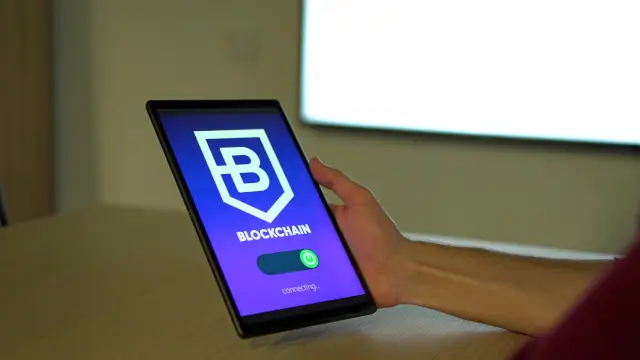
LG Electronics, the South Korean consumer device giant known for televisions, smartphones, and home appliances, is stepping into the blockchain space with a dedicated advertising network. According to an exclusive report by Fortune published on June 11, 2026, LG is building a blockchain-based platform designed to place and sell digital advertisements — marking one of the most ambitious mainstream corporate moves into on-chain advertising to date.
How LG Blockchain Works
The new platform provides advertisers and publishers with a shared database of ad inventory, with every interaction between customers and ads recorded transparently on the blockchain. LG is developing its own Layer 2 network derived from Arbitrum, the Ethereum scaling protocol, to handle transactions efficiently and at low cost.
The system aims to solve long-standing problems in digital advertising — including ad fraud, lack of transparency in supply chains, and disputed attribution. By moving inventory management and transaction records on-chain, LG says it can offer verifiable proof that impressions and clicks were delivered authentically.
The platform is currently in pilot phase, with LG declining to specify a full public launch timeline. The company told Fortune it plans to eventually open the network to brands beyond its own ecosystem.
Why the $700 Billion Ad Industry Matters
The global digital advertising market is worth approximately $700 billion annually, according to industry estimates. A significant portion of that spending flows through opaque intermediary networks where fraud, hidden fees, and disputed metrics remain persistent problems.
By building on Arbitrum, LG gains access to Ethereum's security while avoiding the high transaction costs that have made on-chain advertising impractical on mainnet. Layer 2 networks bundle thousands of transactions into single Ethereum transactions, reducing per-ad-click costs to fractions of a cent. Arbitrum's parent company Offchain Labs has seen growing enterprise adoption, with stablecoins becoming the preferred settlement layer for on-chain commerce at scale.
The move comes as major payment networks and financial institutions accelerate their own blockchain integration. Mastercard recently launched Agent Pay, enabling AI systems to settle payments autonomously, while Tether led a $1.4 billion investment into NEURA Robotics, reflecting the rapid expansion of blockchain infrastructure across industries.
LG Joins Corporate Blockchain Race
LG is not alone in targeting the intersection of blockchain and commerce. Coinbase launched AI agent accounts that allow artificial intelligence systems to execute crypto trades and payments on behalf of users, while the Fortune Crypto 100 list recognized Coinbase among the most influential companies in the digital asset ecosystem alongside JPMorgan and BlackRock.
The trend extends to stablecoins, with Visa reporting over $7 billion in on-chain settlement volume as the race to build the internet dollar intensifies. Major banks are also moving into digital assets, with Wall Street banks racing to offer Bitcoin and Ethereum to their clients, signaling broad institutional acceptance of blockchain in finance. LG's advertising network adds a new dimension — applying the transparency and immutability of blockchain to media buying, a process historically plagued by opacity.
LG has not disclosed which blockchain protocols it will integrate beyond Arbitrum, nor has it named launch advertising partners. The company confirmed it is in active conversations with major brands and publishers about joining the network at scale. According to Fortune's exclusive report, LG is piloting the platform with a select group of partners before a wider rollout.
What's Next
Industry observers will be watching for LG's next development announcement, particularly around network governance and which protocols handle settlement. Arbitrum's parent company, Offchain Labs, has been actively expanding enterprise adoption of its Layer 2, and an LG partnership would represent a significant mainstream validation of the technology.
If successful, the platform could prompt other consumer electronics manufacturers and media companies to explore similar on-chain advertising models — potentially reshaping how digital media is bought and sold globally.