
What You'll Learn
- Whether seasonal farm workers qualify as "unemployed" during the agricultural off-season
- How the BDO evaluates seasonal employment during field verification
- The difference between casual farm labour and full-time regular employment
- How landless labourers and small farmers can apply without risking rejection
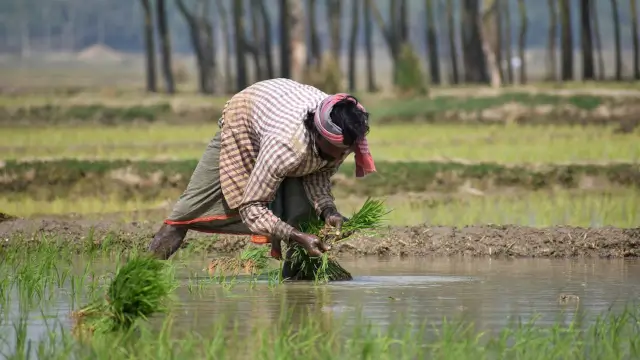
West Bengal's economy is still heavily agricultural, especially in districts like Bankura, Purulia, Bardhaman, Murshidabad, and Cooch Behar. According to a study published in the International Journal for Innovative Research in Multidisciplinary Field (April 2026), seasonal agricultural workers in India face 96-100 days of unemployment during the off-season alone — nearly one-third of the year. For the millions of landless labourers and small farmers in rural West Bengal, the question is straightforward: if you work on someone else's field for 6 months and sit idle for 6 months, are you "unemployed" for Yuva Shakti purposes?
The answer depends on how the Yuva Shakti scheme defines employment. The scheme's eligibility criteria states "not engaged in any full-time regular employment." Casual agricultural labour is seasonal, irregular, and lacks the employer-employee permanence that defines "full-time regular employment." A landless labourer in Purulia who works on a neighbour's field during sowing (2 weeks) and harvesting (2 weeks) each season does not have a regular job — they have occasional wage work. This distinction is critical for seasonal farm workers seeking to apply.
What Does "Full-Time Regular Employment" Mean for Farmers?
The Yuva Shakti scheme's key phrase is "full-time regular employment." This is defined by government standards as a job with a fixed salary, employer-employee relationship, PF/ESI contributions, and continuity. Seasonal agricultural labour does not meet any of these criteria:
- No fixed salary: Farm labour is paid daily or per-task, not monthly. There is no fixed income.
- No employer commitment: The farmer hiring you for sowing has no obligation to hire you for harvesting. Each engagement is independent.
- No continuity: Agricultural work is available only during specific months. The rest of the year, there is no work.
- No formal registration: Most agricultural labour is cash-based with no written contract, no PF, no ESI.
A study from Visva-Bharati University on rural livelihood diversification in West Bengal shows that most agricultural labourers in the state work less than 180 days per year — making them effectively unemployed for half the year. This seasonal unemployment pattern is a recognised form of underemployment in Indian labour statistics.
Who Qualifies: The Seasonal Worker Breakdown
| Worker Type | Eligible? | BDO Risk | Strategy |
|---|---|---|---|
| Landless labourer (casual) | Yes | Low | Apply as unemployed youth |
| Small farmer with own land | Likely | Medium | Emphasise no regular income |
| Krishak Bandhu beneficiary | Gray zone | High | Check with BDO before apply |
| Full-time farm manager | No | High | Does not qualify |
How the BDO Evaluates Seasonal Farm Workers
During field verification, the BDO investigator will ask specific questions to determine whether a seasonal farm worker is genuinely unemployed or self-employed. The key factors examined include land ownership records (if you own agricultural land, the BDO may consider you self-employed rather than unemployed), income from farming (regular earnings from selling crops indicates self-employment, while occasional wage labour indicates unemployment), MGNREGA job card (if you have a job card but have not worked 100 days, it supports your unemployment claim), and Krishak Bandhu registration (if you receive Krishak Bandhu benefits as a farmer, the BDO may see you as self-employed).
What Landless Labourers Need to Know
Landless agricultural labourers — those who work on others' fields for daily wages — have the strongest case for Yuva Shakti eligibility. They have no land ownership, no regular income, no formal employment contract, and are unemployed for significant portions of the year. The West Bengal government's Bhumihin Khet Mazdur Scheme already recognises this category as needing financial support. If you have a certificate or registration under any landless labourer scheme, it can actually strengthen your Yuva Shakti application by proving your vulnerable economic status.
Documents You Should Keep Ready
- MGNREGA job card (if applicable) — shows you are a registered rural worker
- Land ownership records (ROR) — if you own no land, this supports your claim
- Bhumihin Khet Mazdur certificate — if you have one, it proves landless status
- Bank passbook — showing irregular deposits (not a regular salary)
- Self-declaration of seasonal unemployment — in Bengali, explaining your work pattern
Conclusion
Seasonal agricultural workers occupy a legitimate gray zone in the Yuva Shakti eligibility framework. The key is honesty about your work status. If you are a landless labourer who works for daily wages during sowing and harvest seasons but remains unemployed for the rest of the year, you are not in "full-time regular employment" and can apply. If you own agricultural land and earn regular income from selling crops, you are more likely to be classified as self-employed. Visit your BDO office, explain your seasonal work pattern honestly, and let the field verification process determine your eligibility. The scheme was designed to support unemployed youth — and seasonal unemployment is still unemployment.
Last Updated: May 21, 2026 | Source: IJIRMF 2026, Visva-Bharati University Rural Livelihood Study, Bhumihin Khet Mazdur Scheme