NPCI Mapper Seeding Failure: The #1 Reason Your ₹3,000 Gets Blocked
What You'll Learn
- Why the official Banglar Yuba Sathi amount and application status must be checked before troubleshooting payment.
- How Aadhaar linking, bank seeding, DBT enablement, and NPCI mapper status differ.
- How to check the official UIDAI status and what to ask your bank to correct.
- How to protect Aadhaar, OTP, bank, and application details while seeking help.
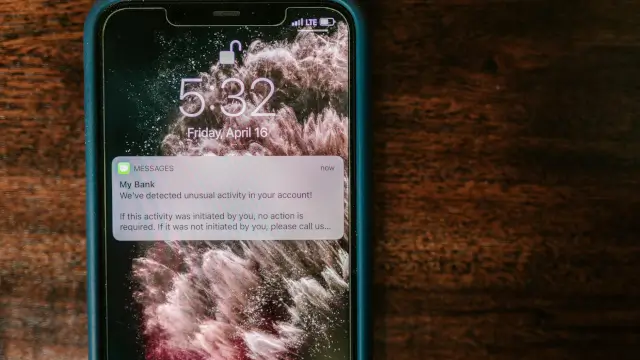
Readers searching for Banglar Yuba Sathi NPCI mapper information are usually trying to solve one of two different problems. Some are checking whether a government payment can reach their bank account. Others are responding to a message that promises a new payment, asks for a fee, or uses the name Yuva Shakti Bharosa Card. Those questions must not be mixed.
The official West Bengal scheme material reviewed for this article identifies the programme as Banglar Yuba Sathi. It describes monthly assistance of ₹1,500 for eligible educated unemployed youth. The official portal says the published online submission period has ended, with the closing time at midnight on 26 February 2026. This article therefore explains the DBT and Aadhaar-mapping process for an eligible record or a future official notice. It does not promise that a new application is open.
The old version of this post used a different scheme name, a ₹3,000 figure, unsupported payment-failure percentages, and overconfident statements about the NPCI mapper. Those claims have been removed. The practical path is simpler: verify the scheme on its official portal, check bank-seeding status on UIDAI, and make the bank responsible for any mapper correction.
The official Banglar Yuba Sathi facts come first
A payment troubleshooting guide is unsafe if it begins with the wrong scheme. Banglar Yuba Sathi is not the same name as Yuva Shakti Bharosa Card. The official scheme notification sets the monthly assistance at ₹1,500. It also describes eligibility conditions including permanent residence in West Bengal, age 21 to 40 years as on 1 April 2026, Madhyamik or equivalent qualification, unemployment, and other stated exclusions.
The official scheme route uses Aadhaar-based Direct Benefit Transfer. That means correct identity and bank information can matter for a payment, but it does not mean that every person who sees a social-media message is an approved beneficiary. The Banglar Yuba Sathi eligibility and migrant-worker guide explains why residence, eligibility, and application status must be separated from bank troubleshooting.
| Point | Official position | What a reader should not assume |
|---|---|---|
| Scheme name | Banglar Yuba Sathi in the West Bengal government material reviewed. | Do not merge it with a different card or political claim. |
| Monthly assistance | ₹1,500 per month, subject to the scheme rules. | Do not treat an old ₹3,000 message as the official amount. |
| Payment route | Aadhaar-based DBT is described for fund transfer. | DBT does not prove that an applicant is sanctioned. |
| Application status | The published 2026 submission period has ended. | Do not pay anyone who promises to bypass the closed portal. |
The article CSC fee and complaint guide covers a related safety issue. Government forms and private assisted services should not be presented as the same thing. Ask for a receipt and use official contacts when a centre demands money.
What the NPCI mapper actually does
NPCI describes its mapper as a repository of Aadhaar numbers linked with a particular bank and used to route Aadhaar-based payment transactions to destination banks. The mapper contains the Aadhaar number and the bank’s IIN. In simple terms, it helps identify the bank that has been designated for a DBT route after the bank has completed its own customer and consent process.
This is not a public wallet holding the beneficiary’s money. It is also not a universal explanation for every payment failure. A payment can be delayed or rejected because of scheme approval, department processing, account restrictions, incorrect identity details, bank-side problems, or a mapper issue. The mapper is one part of the chain.
NPCI’s own description distinguishes linking an Aadhaar number to a bank account from seeding that number in the NPCI mapper. The bank first links the number in its core banking system after receiving documents and consent. The bank then updates the mapper through its internal process. A customer should ask the bank about both steps.
Aadhaar linked, DBT enabled, and mapper active are different
These phrases are often used as if they mean the same thing. They do not always prove the same status. A bank may show that an Aadhaar number is linked to a customer profile. A separate instruction may be needed to seed the account for DBT. The bank’s central team may then need to update the NPCI mapper, and the result must be processed successfully.
| Status phrase | What it may mean | What to ask next |
|---|---|---|
| Aadhaar linked | The bank has associated the Aadhaar number with the account or customer record. | Ask whether DBT consent was recorded and whether mapper seeding was completed. |
| DBT enabled | The bank or scheme system indicates that the account can receive a benefit route. | Ask for the applicable account and the date of the latest update. |
| NPCI mapper active | The mapper has an active Aadhaar-to-bank association for routing. | Confirm which bank is currently active if more than one account exists. |
| Mapper inactive or not found | The routing association is not active or has not been reflected. | Submit consent and documents to the bank and obtain an acknowledgement. |
The DBT Bharat Aadhaar-seeding process makes the distinction explicit. It says that linking Aadhaar in the bank’s core banking system does not itself mean the mapper file has been updated. The bank’s central team or IT division may perform the mapper update, and the bank must address a failed update through its internal process.
How to check bank-seeding status safely
UIDAI provides a Bank Seeding Status service through myAadhaar. Use the official UIDAI domain and the login method shown there. The service may require Aadhaar and a registered mobile OTP. A status page can help you see the current bank-seeding record, but it is not a substitute for the bank’s written confirmation when the record is wrong or stale.
Start at UIDAI myAadhaar Bank Seeding Status. Check the bank name shown, note the date or status displayed, and save only the minimum evidence needed for a complaint. Do not share the OTP with a call-centre agent, a CSC operator, a social-media account, or a person promising to release a payment.
UIDAI’s DBT FAQ also covers how to receive benefits, how to know that funds arrived, how multiple bank accounts are handled, and how to change the account used for DBT. If the official page is unavailable, wait and try again or contact UIDAI through its published support route. Do not use a random “NPCI status” website.
What an inactive mapper status means
An inactive or missing mapper result means that the Aadhaar-to-bank routing association is not currently active in the status being checked. It does not by itself prove that the Banglar Yuba Sathi application was rejected, that the government did not release a payment, or that a bank employee committed an error.
Possible explanations include incomplete consent, a document mismatch, a bank-side processing failure, a move from one bank to another, or a mapper update that has not completed. Ask the bank to identify the exact stage instead of accepting a vague answer that “Aadhaar is linked.”
If a person has multiple bank accounts, the active DBT destination matters. The DBT Bharat process says a customer can link only one account with Aadhaar for this purpose at a time. If consent is given to multiple banks, the last seeded bank with active mapper status is the destination. Keep this in mind before asking a new bank to seed the account.
How to ask the bank to correct the mapping
Visit the bank where the account is held or use the bank’s official digital facility if it provides one. Ask for the Aadhaar seeding or DBT consent form. Complete it using the account and customer details recorded by the bank, submit the required documents, and obtain an acknowledgement with a date or reference number.
Tell the branch that you need the bank to verify both the core-banking link and the NPCI mapper update. If you are moving the DBT destination from another bank, provide the name of the previous bank as requested on the consent form. Ask when the mapper response is expected and how you will be informed if the update fails.
Do not allow a third party to fill an OTP or operate your banking app. If an assisted service is used for printing or scanning, keep control of the authentication step. The official process places the mapper update with the bank, not with an unknown agent.
| Step | Action | Evidence to keep |
|---|---|---|
| One | Check the official UIDAI bank-seeding status. | Bank name and status date, without sharing OTPs. |
| Two | Visit the relevant bank and submit consent and documents. | Acknowledged form or bank reference number. |
| Three | Ask the bank to link the account and update the NPCI mapper. | Branch response and expected processing route. |
| Four | Recheck the status and follow the bank escalation path if it remains inactive. | New status result, complaint number, and correspondence. |
The fake scheme website guide is relevant here because fraudsters often use technical words such as mapper, APB, and DBT to create urgency. Technical language does not make a payment message official.
How to change the active DBT bank account
When a person wants DBT to reach a different bank, the new bank normally needs consent to seed the account and information about the existing mapped bank. Read the form carefully. The DBT Bharat process includes options to seed a new account, move the mapping from another bank, keep the existing mapping, or decline seeding.
Do not submit consent to several banks casually. The last seeded bank with active mapper status may become the destination for Aadhaar-based benefits. Before changing the account, confirm that the new account is active, held in the correct name, able to receive the benefit, and not restricted by the bank.
Changing the mapped bank does not create or restore scheme eligibility. It changes the proposed payment destination. If the official scheme portal is closed or no sanction exists, mapper changes cannot create a new Banglar Yuba Sathi payment.
Documents, privacy, and account safety
A bank may request Aadhaar details, an account number, consent, identity documents, signature or thumb impression, and contact information. The exact documents depend on the bank and its current process. Carry originals for verification when required, but submit copies only through the official bank channel.
Never share an Aadhaar OTP, UPI PIN, debit-card PIN, password, or full banking credentials with anyone offering to check a mapper status. Do not install remote-control software or allow a person to operate your banking app. A genuine bank process can explain why authentication is needed and where it is being completed.
If you suspect that your Aadhaar or bank information has been misused, contact the bank promptly and use UIDAI’s published grievance route. Keep transaction references and messages. Do not forward a sensitive screenshot with the full Aadhaar number visible.
What to do if the bank does not update the mapper
The DBT Bharat process places the mapper action with the bank. If the bank has accepted a correctly completed consent form and the Aadhaar is still not reflected in the mapper, first use the bank’s customer service cell and escalation matrix. Keep the acknowledgement because it shows what was submitted and when.
If the bank does not resolve the issue, you can write to NPCI using the published escalation route and attach the acknowledged consent evidence as requested. NPCI provides the mapper platform and processes bank-submitted files, but it does not independently change a customer’s mapper record. The bank remains the first correction point.
Describe the complaint precisely. State the account bank, the date of consent, the reference number, the UIDAI status result, and the answer given by the branch. Do not claim that a payment was rejected unless the responsible scheme or bank record says so. The CSC complaint guide explains how to keep a service complaint focused on evidence rather than a viral allegation.
| Problem | First responsible channel | Useful evidence |
|---|---|---|
| Aadhaar not linked to the account | Bank branch or official bank service. | Consent form, KYC record, account details, and bank reference. |
| Bank link shown but mapper not active | Bank’s Aadhaar or DBT team and escalation cell. | UIDAI status, acknowledged consent, and branch response. |
| Wrong bank is active | New bank and existing mapped bank after checking the move process. | Bank names, consent choice, and updated status. |
| Scheme application or sanction is unclear | Official Banglar Yuba Sathi portal or help desk. | Application acknowledgement and official messages. |
Can a person apply for Banglar Yuba Sathi now
The official portal status checked for this update says the published online application submission period has ended. The closing time was midnight on 26 February 2026, and this article does not confirm a waiting list, reopening date, or special route for applicants working outside West Bengal.
That status matters when reading a message about “blocked” money. A person cannot create a new official payment by paying a middleman to change an NPCI mapper. If a future government notice opens a new process, verify the notice on an official government domain and compare the scheme name, amount, eligibility, and documents with the published material.
For document-checking habits, readers can review the ration-card guide and the Labour Card guide. These links are for general source-checking context. They do not open or extend the Banglar Yuba Sathi application window.
Final checklist before you raise a payment complaint
First confirm the official scheme name and amount. Next check the application or sanction record instead of relying on a forwarded message. Then use myAadhaar to check the bank-seeding status and identify the bank shown. If the status is inactive or the wrong bank is active, submit the bank’s consent form and obtain an acknowledgement.
Ask the bank specifically whether Aadhaar is linked in its core system and whether the NPCI mapper update was completed. Keep the status result, consent acknowledgement, bank reference, and any official scheme message. If the bank does not correct the issue, follow its escalation matrix and then use the NPCI route with the evidence requested by the official process.
Never share OTPs or payment credentials with anyone promising a guaranteed ₹1,500, a faster release, or a new application. The tax guide is a reminder that a headline number is not a complete explanation of a financial process.
Conclusion: verify the scheme, then verify the route
NPCI mapper status can matter for Aadhaar-based DBT, but it is only one part of a government payment chain. The bank must receive consent, verify the customer, link Aadhaar in its core system, and complete the mapper update. UIDAI’s status service can show a bank-seeding result, while the bank remains responsible for correcting a mapper record that it failed to update.
For Banglar Yuba Sathi, the official amount is ₹1,500 per month and the published application period is closed. Do not use the old ₹3,000 claim, a 90% failure headline, or an urgent agent message as proof of a payment entitlement. Check the official portal, use myAadhaar, and keep the bank acknowledgement if a correction is needed.
This article is for general information and document-checking guidance. It is not personalised financial, tax, legal, or government-service advice. Verify current scheme notices and bank procedures before acting. Do not disclose Aadhaar OTPs, UPI PINs, passwords, or full account credentials to an intermediary.
Frequently Asked Questions

SK Jabedul Haque
Building India's most trusted finance education platform — simplifying news, schemes and market trends so anyone can understand and invest confidently.
Read full bio


Never miss an update
Get our clearest explainers on schemes, markets and money — read what matters, without the noise.
Explore more articles