
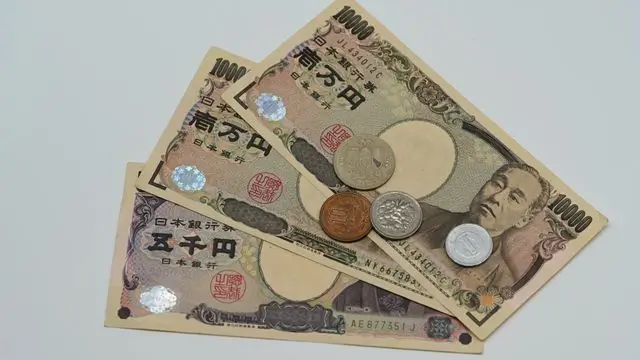
The Japanese yen slumped to 161.81 per dollar on Friday, its weakest level since July 2024 and within striking distance of a 40-year low not seen since December 1986. The currency has depreciated roughly 14% against the greenback in 2026 alone, driven by a widening policy gap between the Bank of Japan's negative rate stance and the Federal Reserve's restrictive posture above 5.5%.
What Happened
The yen traded at 161.81 per dollar overnight on Friday, breaching the 161 level that markets widely consider a "red line" for potential intervention. A break above 161.95 would send the currency to its weakest since December 1986, erasing nearly four decades of appreciation. Japan's finance ministry intervened with 11.7 trillion yen in late April and early May 2026 to prop up the currency, but the effect has faded as the dollar rally resumed on resilient U.S. economic data and sticky inflation.
Finance Minister Satsuki Katayama has repeatedly warned that Tokyo is "ready to act against excessive yen movements at any time," echoing language used before the April intervention. However, Japan's top currency diplomat, Masato Mimura, has remained publicly silent since early May, leaving traders uncertain about the timing and threshold for action. The Bank of Japan's policy rate remains at -0.1%, while the Federal Reserve holds rates above 5.5%, creating a yield gap that fuels the dollar-yen carry trade.
Why It Matters
The yen's slide has global repercussions. A weaker yen boosts Japanese exporters but raises import costs for energy and food, squeezing household budgets in the world's fourth-largest economy. For global markets, the carry trade unwind risk is significant: investors who borrowed in yen to buy higher-yielding assets face margin calls if the currency rebounds sharply on intervention. The 2024 intervention saw the yen surge 3% in a single day, catching leveraged positions off guard.
Emerging markets with dollar-denominated debt also feel the pressure, as a stronger dollar tightens financial conditions worldwide. The yen's decline coincides with Chinese yuan weakness, amplifying Asian currency volatility. BNY Mellon's Geoff Yu noted that "intervention risk rises with 40-year low against USD," highlighting that the 160 level is now widely seen as a trigger point for Tokyo.
What's Next
All eyes remain on the 161.95 level—the 2024 high that, if breached, would mark a fresh 40-year low. Technical analysts at Seeking Alpha identify 161.60/95 as the next key intervention zone. The Bank of Japan's next policy meeting on July 31 could provide clarity, though Governor Kazuo Ueda has signaled patience on rate normalization. Meanwhile, U.S. Treasury Secretary Scott Bessent's discussions with Japanese counterparts suggest coordinated messaging may precede any action.
Traders are positioning for a potential intervention-driven snapback, with USD/JPY speculative shorts at 90% of open interest near 40-year highs. Any surprise BOJ policy shift or coordinated G7 statement could trigger a violent yen rally, unwinding carry trades across asset classes from U.S. tech stocks to emerging market bonds.