
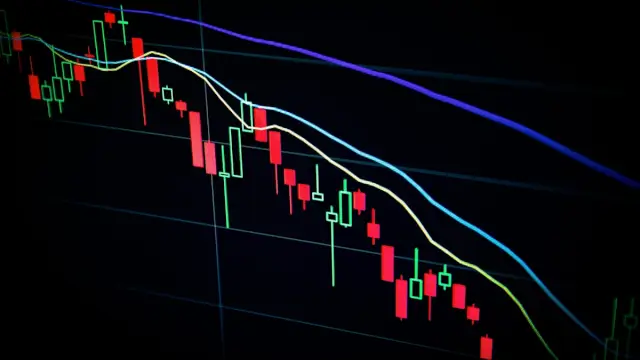
The Crypto Fear and Greed Index dropped to 17 out of 100 on June 11, 2026, sliding into extreme fear territory for the first time since early March 2026. The reading, compiled by Alternative.me and published by CoinMarketCap, places the index firmly in the most bearish sentiment zone on a scale that runs from 0 to 100. The decline coincides with a sweeping cryptocurrency selloff that has wiped approximately 2 trillion dollars from total market capitalization in just one week, raising fresh questions about digital asset stability and investor confidence heading into the second half of 2026. The reading followed Bitcoin crashing below 60,000 dollars and a broader market rout that erased 390 billion dollars in a single week.
Bitcoin Falls Below 60,000 Dollars for First Time in 20 Months
Bitcoin crashed below the critical 60,000 dollar support level on June 5, 2026, reaching a low of 59,743 dollars before stabilizing near 60,782 dollars. The last time Bitcoin traded below this mark was October 2024, before Donald Trump's re-election triggered a pro-crypto rally that eventually pushed the leading cryptocurrency to record highs above 120,000 dollars in October 2025. The 30 percent year-to-date decline marks Bitcoin's worst performance at this point in any year since 2015, according to LSEG data cited by Reuters. Major corporate holders including Michael Saylor's Strategy, the largest corporate Bitcoin holder, disclosed its first sale since 2022, adding further pressure to an already shaken market. Investors have also been withdrawing funds from Bitcoin exchange-traded funds at an accelerating pace, compounding the downward momentum.
Crypto Market Shed 390 Billion Dollars in a Single Week
The broader cryptocurrency market experienced its most severe weekly drawdown since the FTX collapse in November 2022. Bitcoin and Ethereum recorded their worst weekly performance in years, with Bitcoin losing approximately 15 percent in the first week of June alone, while Ethereum fell 6.2 percent during the same period. The selloff extended across altcoins, with Zcash plummeting more than 30 percent following disclosure of a critical security vulnerability in its Orchard shielded pool. Tether, Nvidia, and Amazon-backed NEURA secured a 1.4 billion dollar funding round, offering a rare bright spot in an otherwise grim market environment. The Crypto Fear and Greed Index dropped to 17, its lowest reading since March 2026, reflecting deeply negative sentiment across digital asset markets.
According to Wikipedia, sentiment indices like the Fear and Greed Index aim to measure market emotion by analyzing volatility, stock price breadth, put-to-call ratios, and safe-haven demand. When the index reaches extreme fear territory below 20, it typically signals that panic selling has driven prices below fundamental value, historically creating potential contrarian entry points. However, analysts caution that sentiment can remain depressed for extended periods during macro crises, and the current confluence of a hawkish Federal Reserve, elevated US inflation data, and geopolitical tensions creates a more complex recovery backdrop than previous cycles.
Wall Street Rotation Toward AI Megacap IPOs
Analysts point to a structural shift in capital allocation as a key driver of the crypto downturn. Money that previously flowed into digital assets has increasingly rotated toward artificial intelligence infrastructure plays and the anticipated SpaceX IPO, which priced at 135 dollars per share in a 75 billion dollar raise, the largest public offering in history. Reuters reported that AI now dominates stock market narratives, with hyperscalers, semiconductor manufacturers, and copper wire producers attracting record institutional investment. The SpaceX listing alone absorbed significant retail and institutional demand that might otherwise have supported cryptocurrency markets. Kraken's historic partnership as the official crypto exchange of FIFA World Cup 2026 and CME Group's launch of Nasdaq Crypto Index Futures represent major regulatory milestones, but have failed to offset macro headwinds and sentiment deterioration in the near term.
What Extreme Fear Readings Mean for Crypto Investors
Extreme fear readings on the Crypto Fear and Greed Index have historically preceded recovery periods in cryptocurrency markets. When sentiment reaches oversold extremes, it often signals that fear has driven prices below fundamental value, creating potential entry points for contrarian investors. However, market observers caution that sentiment can remain depressed for extended periods, particularly when macroeconomic pressures, regulatory uncertainty, and geopolitical tensions such as the continuing US-Iran conflict weigh on risk assets simultaneously. Investors monitoring the index for a return above 20 or a reversal in Bitcoin's trading momentum may gain clearer signals about whether the worst of the selloff has passed.
The cryptocurrency market's ability to attract new participants will hinge on whether institutional players maintain their long-term commitment to digital assets. BlackRock's Ethereum ETF recorded a 9.3 million dollar inflow reversal, offering a tentative sign that institutional appetite may be stabilizing after prolonged outflows. Still, with total market capitalization hovering near 2.1 trillion dollars and Bitcoin struggling to hold 60,000 dollars, the path to recovery remains uncertain as June 2026 progresses.