Quantum Computing: Trump Signs Orders for 2028 Breakthrough
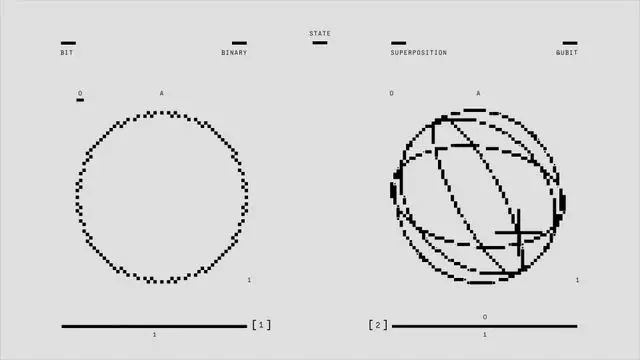
President Trump signed two sweeping executive orders on June 22, 2026, placing quantum computing at the center of U.S. federal technology strategy. The orders set a 2028 deadline for a commercially relevant quantum computer and a 2031 mandate for all federal systems to migrate to post-quantum cryptography, marking the most aggressive government push into quantum technology since the 2018 National Quantum Initiative Act. This follows growing concern over post-quantum cryptography readiness across critical infrastructure, a theme also explored in recent coverage of digital asset infrastructure.
What Happened
The White House announced two executive orders on Monday that together commit over $2 billion in federal funding and equity stakes across nine quantum computing companies. Executive Order 14409, titled "Securing the Nation Against Advanced Cryptographic Attacks," directs all federal agencies to transition high-value assets and high-impact systems to post-quantum cryptography standards by 2031. The companion Quantum Innovation Executive Order establishes a national goal to deliver a research-grade, commercially relevant quantum computer by 2028.
According to the Department of Commerce, letters of intent have been signed with nine companies including IonQ, Rigetti Computing, D-Wave Quantum, and Infleqtion. The administration is also in talks to take minority equity stakes in several of these firms, a venture-style approach that marks a departure from traditional grant-based funding. Quantum stocks reacted sharply: IBM shares rose over 7 percent while smaller pure-play quantum names surged more than 20 percent in pre-market trading. This mirrors recent momentum in AI-driven technology sectors where federal policy shifts catalyze private investment, similar to the surge seen in consumer AI hardware.
Why It Matters
The orders reflect a growing recognition that quantum computing represents both an economic opportunity and a national security imperative. A sufficiently powerful quantum computer could break the RSA and elliptic-curve encryption that secures global financial transactions, government communications, and critical infrastructure. The 2031 post-quantum migration deadline aligns with NSA and NIST timelines for standardizing quantum-resistant algorithms.
Beyond cryptography, quantum computing promises breakthroughs in materials science, drug discovery, financial modeling, and artificial intelligence. The global race is intensifying: China has invested an estimated $15 billion in quantum research since 2016, while the EU Quantum Flagship program commits €1 billion over ten years. By taking equity stakes, the U.S. government gains both strategic influence and potential financial returns if the sector commercializes successfully — a model similar to recent AI infrastructure investments.
What's Next
The National Institute of Standards and Technology will finalize post-quantum cryptography standards this year, after which agencies must inventory vulnerable systems and submit migration plans. The Commerce Department's equity negotiations with the nine quantum firms are expected to close by late 2026. Industry analysts note that the 2028 target for a commercially relevant machine remains ambitious — current quantum processors operate with dozens to hundreds of qubits, while practical applications likely require thousands of error-corrected qubits. This challenge echoes the scaling hurdles faced in edge AI deployment where hardware constraints limit real-world adoption.
Frequently Asked Questions

SK Jabedul Haque
Building India's most trusted finance education platform — simplifying news, schemes and market trends so anyone can understand and invest confidently.
Read full bio

![langchain-openai 1.4.3: What's New in the Latest Release [August 2026]](/web/image/11171)
Never miss an update
Get our clearest explainers on schemes, markets and money — read what matters, without the noise.
Explore more articles